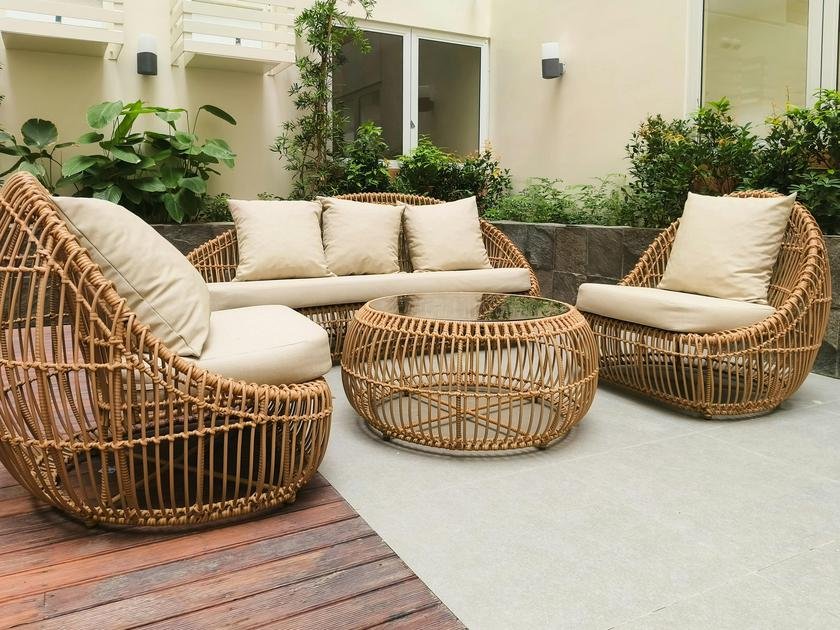
An old dresser may become useful again with a repair and a new role, but a cosmetic makeover cannot fix an unstable frame. Begin with structure, coatings and the room where it will be used. The photograph illustrates the planning stage; it is not a documented restoration or product test.
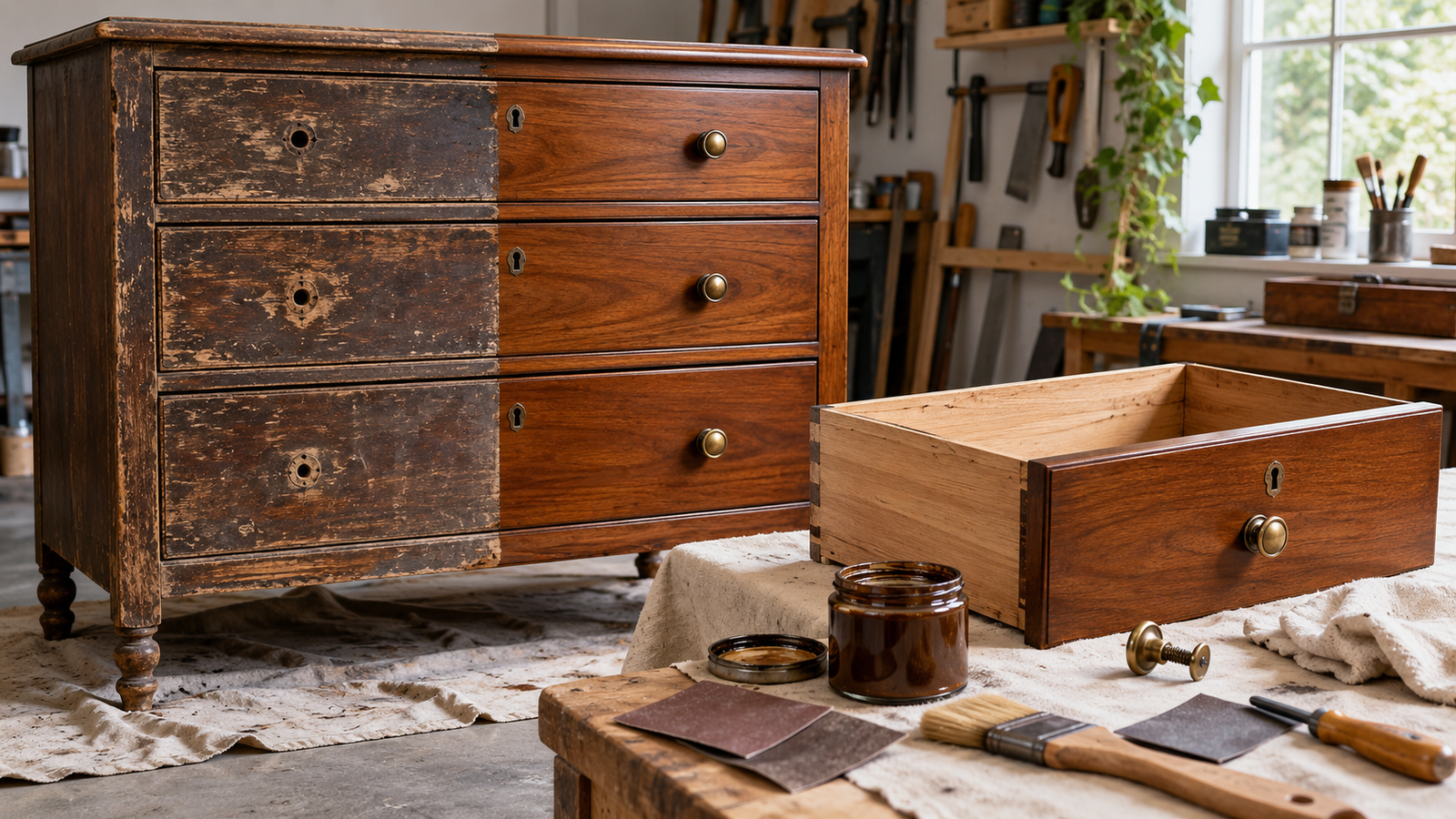
Check whether it is safe to keep
Inspect the case, back panel, legs, drawer slides and fasteners. Do drawers open without pulling the unit forward? Repair structural defects before decorating. Dressers and other tall storage must be secured against tip-over following appropriate instructions and CPSC guidance. If the piece cannot be made stable, do not simply pass it to another household.
Know the finish before stripping it
An old painted surface may contain lead. Avoid dry sanding or heat stripping a suspect finish without proper assessment and controls. Veneer can be thin and easily damaged. Clean a small area using a method appropriate to the surface before selecting a more aggressive process. Use suitable ventilation and protective equipment for any finish or adhesive according to its label.
Choose a useful new role
A dresser might remain clothing storage, or a sound low unit might serve another room if dimensions and load fit. Do not remove structural parts simply to make a photograph look cleaner. Replace missing knobs or damaged slides with compatible parts; measure the existing holes and clearances first.
A repairable piece with a known use may be worth more effort than a speculative project. Compare the cost of hardware, finish and skilled help with a suitable used replacement.
Finish and maintain
After a safe repair, follow the chosen product's application and curing instructions. Keep the piece dry as appropriate to its materials and revisit joints and drawer operation over time. Reuse has value when the furniture continues to serve safely.
Further reading
U.S. CPSC furniture anchoring guidance, U.S. EPA on reuse and repair, U.S. EPA lead-safe renovation program.