A home garden can put herbs and vegetables within reach and offer a way to learn about growing food. It also takes suitable light, water, time and a realistic seasonal plan. Start with what your space can support rather than expecting the garden to replace grocery shopping or guarantee savings.
Fresh food in a manageable quantity
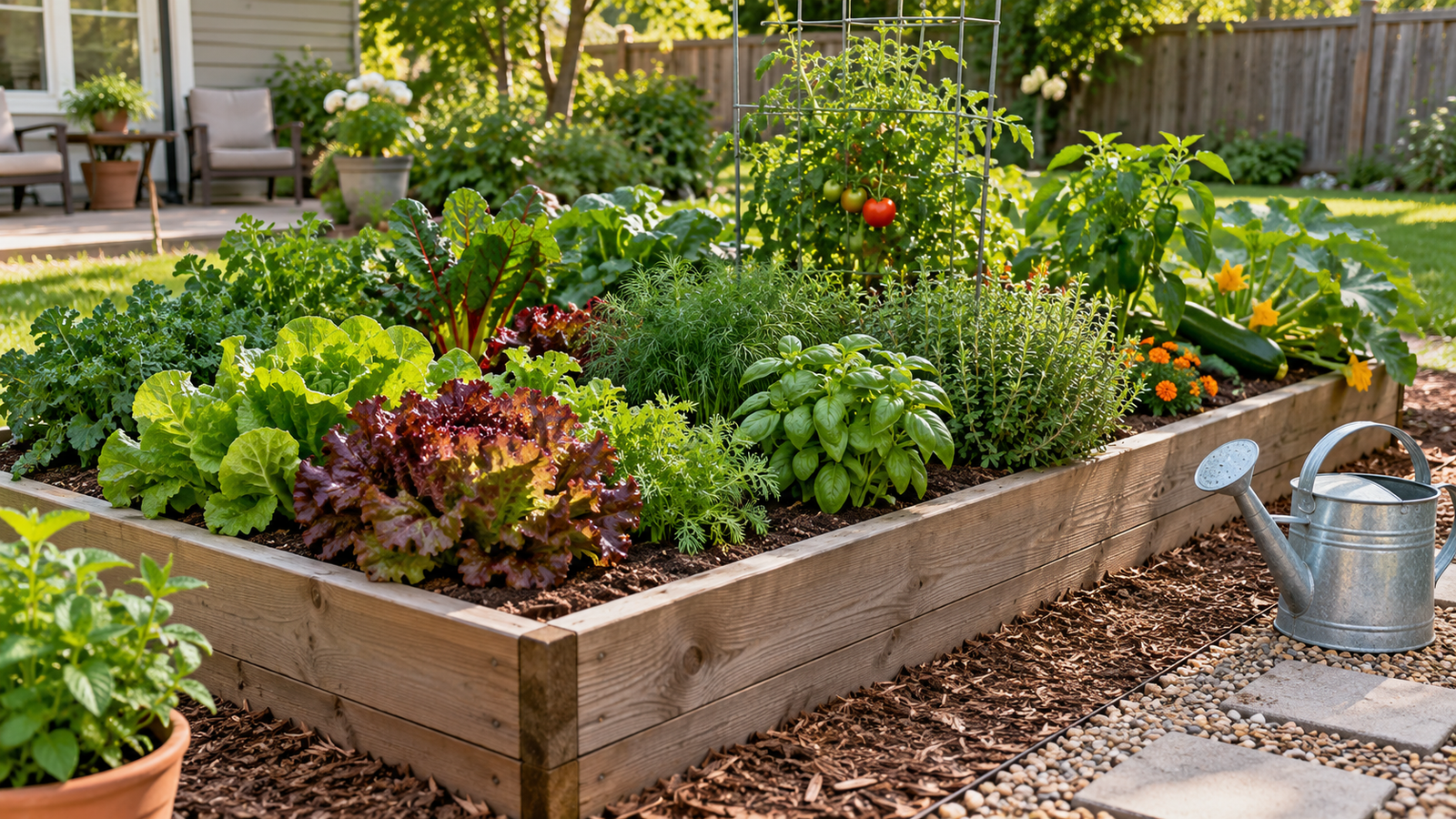
A few herbs or leafy greens can be useful when you harvest them regularly. Choose crops you actually eat and match them to your local growing season. A small container, raised bed or sunny patch can each work under different conditions. Harvest size varies with weather, pests, soil and care, so avoid promising a fixed yield.
Learning and daily routine
Growing a small crop lets you see how light, watering and plant growth interact. It can be an enjoyable household activity, but its health or environmental effect is not automatic. Follow food safety guidance for soil, water and handling harvested produce. Avoid using contaminated soil without appropriate assessment.
Costs and inputs to consider
Containers, potting mix, seeds or transplants, tools and watering can all cost money. A large kit may be unnecessary for a first season. Reuse sound materials where safe, choose containers with drainage, and compare local plants and seed varieties. Water according to actual conditions and consider mulch or efficient irrigation for a larger bed.
A garden does not necessarily save money once supplies and time are counted. Keep a simple record of purchases and harvests if that question matters to you, without inventing a return on investment.
Start small and adapt
Measure sunlight, check local planting dates, select one or two crops, and make a watering plan. Observe what grows well before expanding. If outdoor space is unavailable, a suitable bright container location may work for some herbs, while others need more light than an ordinary window provides.
Further reading
University of Minnesota Extension on small-space containers, University of Minnesota Extension on watering containers.