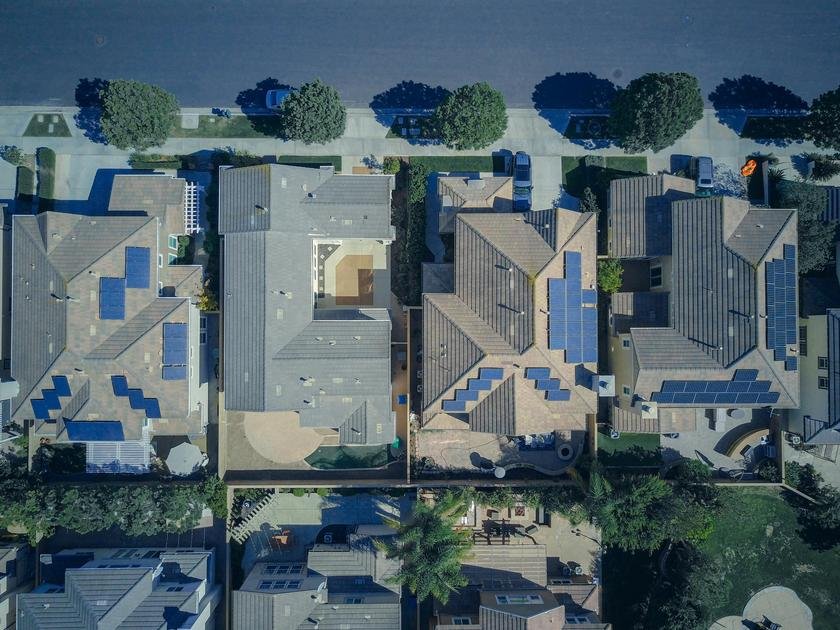
Living in an apartment does not necessarily rule out solar power, but you usually cannot treat a shared roof or balcony like the roof of a detached house. The practical options depend on your utility, state, lease, building ownership, and available programs. Begin by finding out who controls the roof and how electricity is billed.
Consider community solar first
Community solar generally lets eligible customers subscribe to a share of an off-site solar project and receive a credit on their utility bill. It may suit renters or residents whose building cannot host a system. Availability and billing rules vary by location. The subscription may create a second bill, so compare the total cost, expected credit, fees, term, cancellation rules, and what happens if you move. Ask the provider to show a sample bill using your utility and rate plan.
A bill credit is not the same as powering your apartment directly during an outage. Do not assume a subscription supplies backup power. Check the contract and local program terms before making a financial decision.
Ask about a building-level project
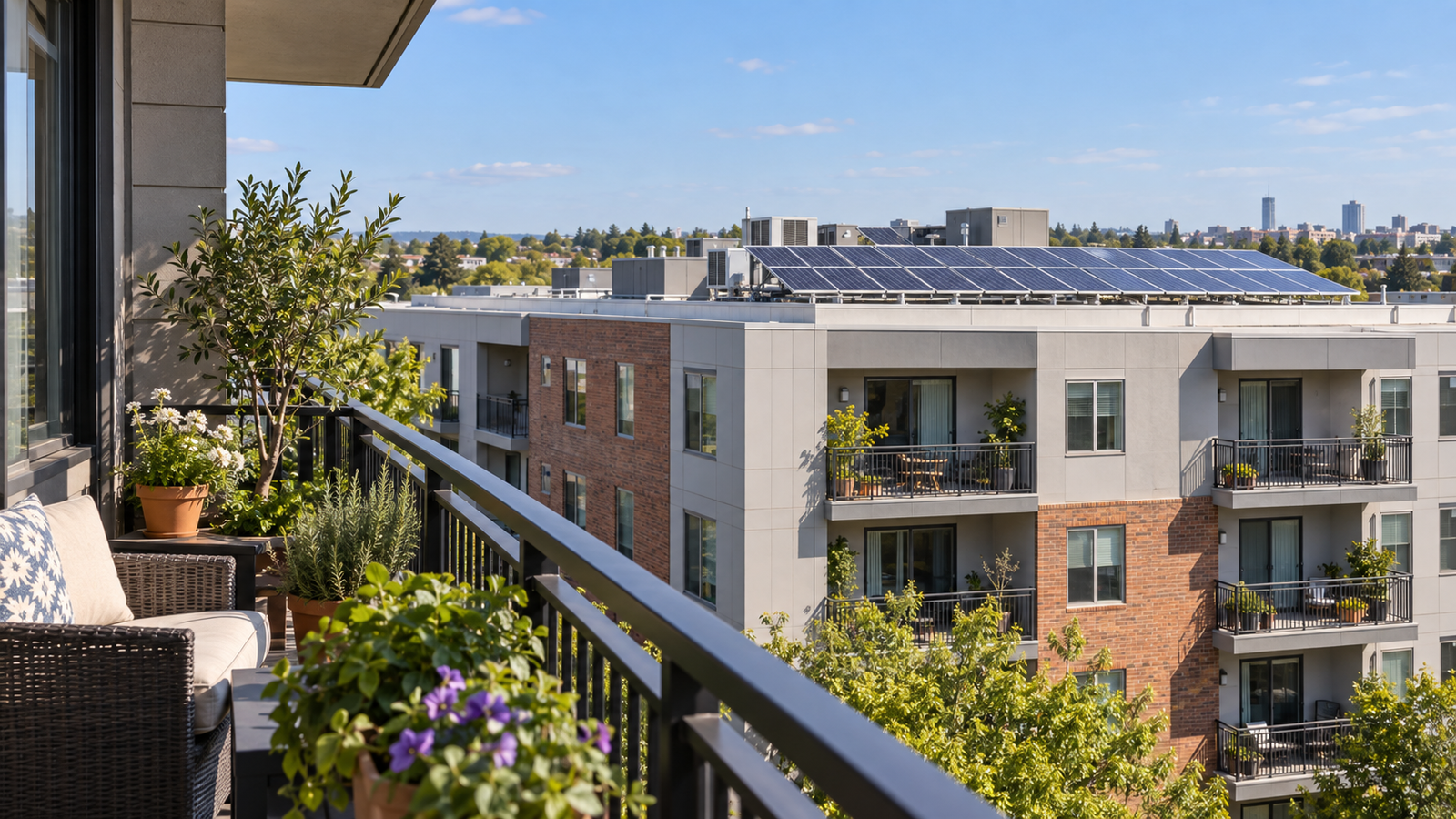
An apartment or condominium building may be able to use rooftop or property-based solar, but the owner or association must assess roof condition, structural capacity, shade, permits, utility interconnection, insurance, and who receives the energy benefits. Residents should ask whether the project serves common areas, individual meters, or another billing arrangement. A qualified installer and the building decision makers need to review feasibility.
Treat balcony equipment with care
A small solar-powered accessory, such as an appropriately rated outdoor light, is different from a grid-connected generation system. Do not connect a panel or inverter to household wiring or an ordinary outlet based on a generic online tutorial. Building rules, electrical requirements, utility approvals, and equipment certification can apply. Check with the property owner, local authority, and a qualified electrician before considering any such installation.
Questions before signing or buying
- Does your utility and address qualify for a community solar program?
- How are bill credits calculated, and will you receive one or two bills?
- What fees, price changes, minimum term, and exit rules are written into the contract?
- Who owns or controls the roof, and who would benefit from an on-site array?
- Does any proposed equipment meet the building and local electrical requirements?
For most apartment residents, the next step is to compare actual local program terms and the building’s rules, rather than buy a panel first. Products and subscriptions should only be recommended after verifying their availability, contract, and suitability for the reader’s location.
Further reading
See the U.S. Department of Energy’s community solar basics and its guide to rooftop solar for the distinct paths.