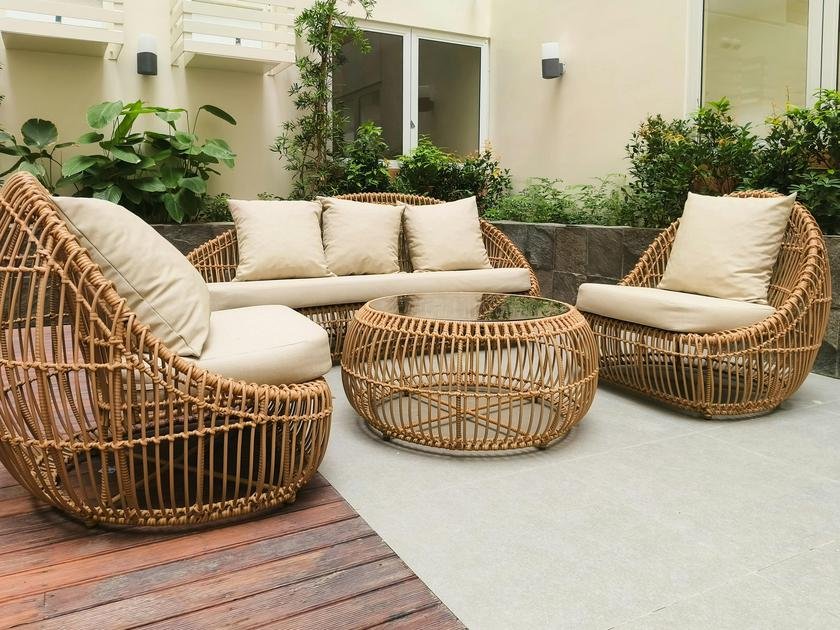
A lower-waste room does not need a coordinated shopping list. Start with what already works and what the household lacks. These four furniture ideas focus on useful roles, stable construction and the ability to keep a piece in service.
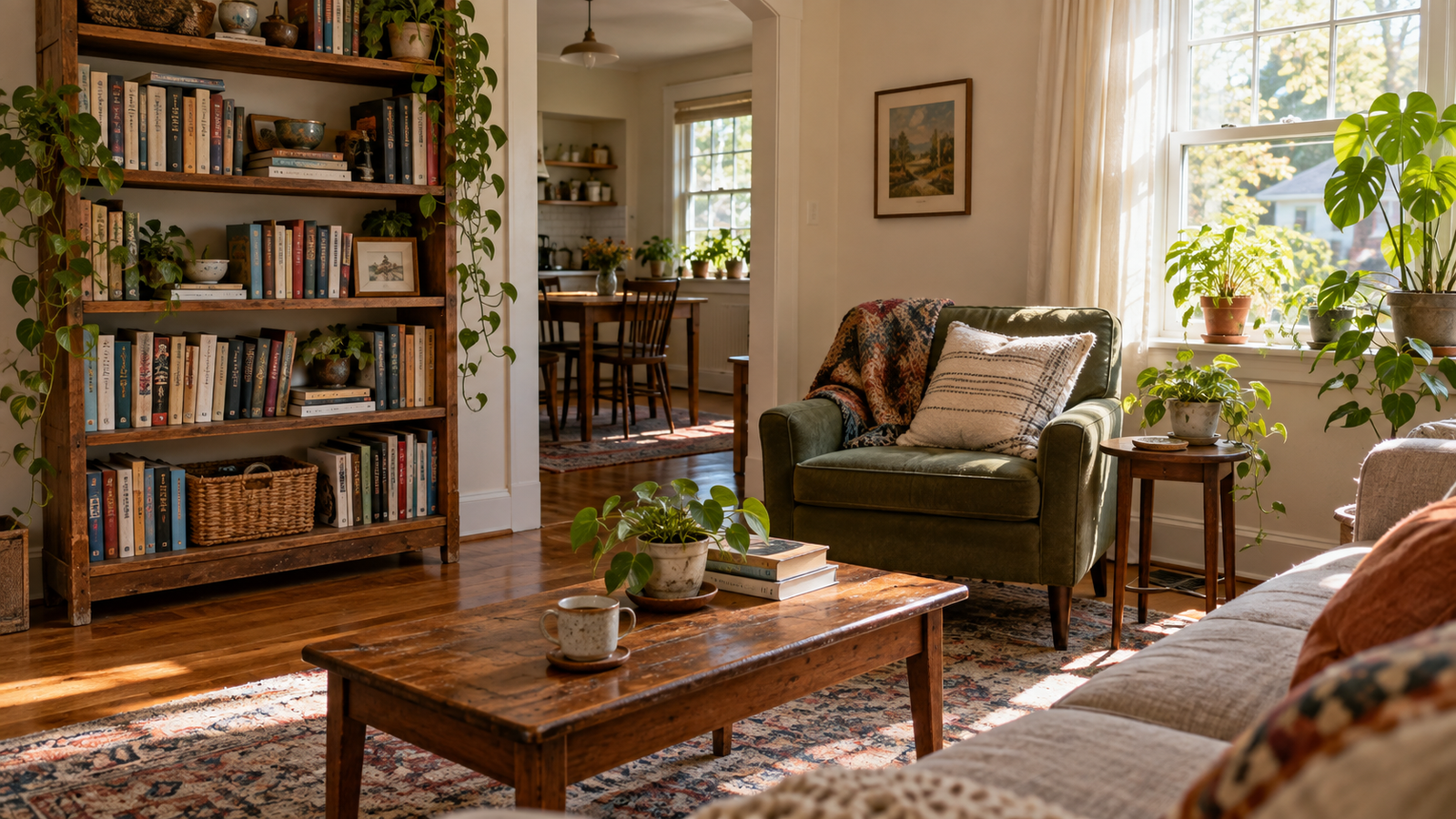
1. A secondhand bookshelf that fits
Measure the wall and doorway before shopping. Inspect shelves and fasteners for damage, then follow appropriate anchoring instructions. A tall used unit still needs tip-over prevention, especially where children can access it.
2. Seating you can maintain
A chair or sofa with sound structure and replaceable cushions or covers may be more useful than a low-quality replacement. Check frame stability, upholstery condition, cleaning instructions and the real cost of repair. Do not take home a piece with unresolved contamination or unsafe damage.
3. A table with flexible use
A compact side table can serve several rooms when its height, footprint and stability fit. A sound old table may only need a tightened joint or refinishing. Avoid a project that requires unknown coatings to be sanded without checking for hazards.
4. Reused materials for a small project
Sound offcuts or reclaimed boards can become a simple shelf or plant stand when the source and load are understood. Check for rot, fasteners, coatings and proper support. A functional design that lasts matters more than a rustic look.
Before buying any item, ask whether an existing piece can be rearranged, repaired, or donated if no longer needed. Product-specific material and environmental claims should be verified before affiliate recommendations are added.
Further reading
U.S. EPA on reuse and repair, U.S. CPSC furniture anchoring.