Daylight can make a room more pleasant and reduce the need for electric lights when the room is in use. But direct sun may also produce glare and unwanted heat. A useful plan considers the window’s direction, the season, the task, and how the room is cooled or heated.
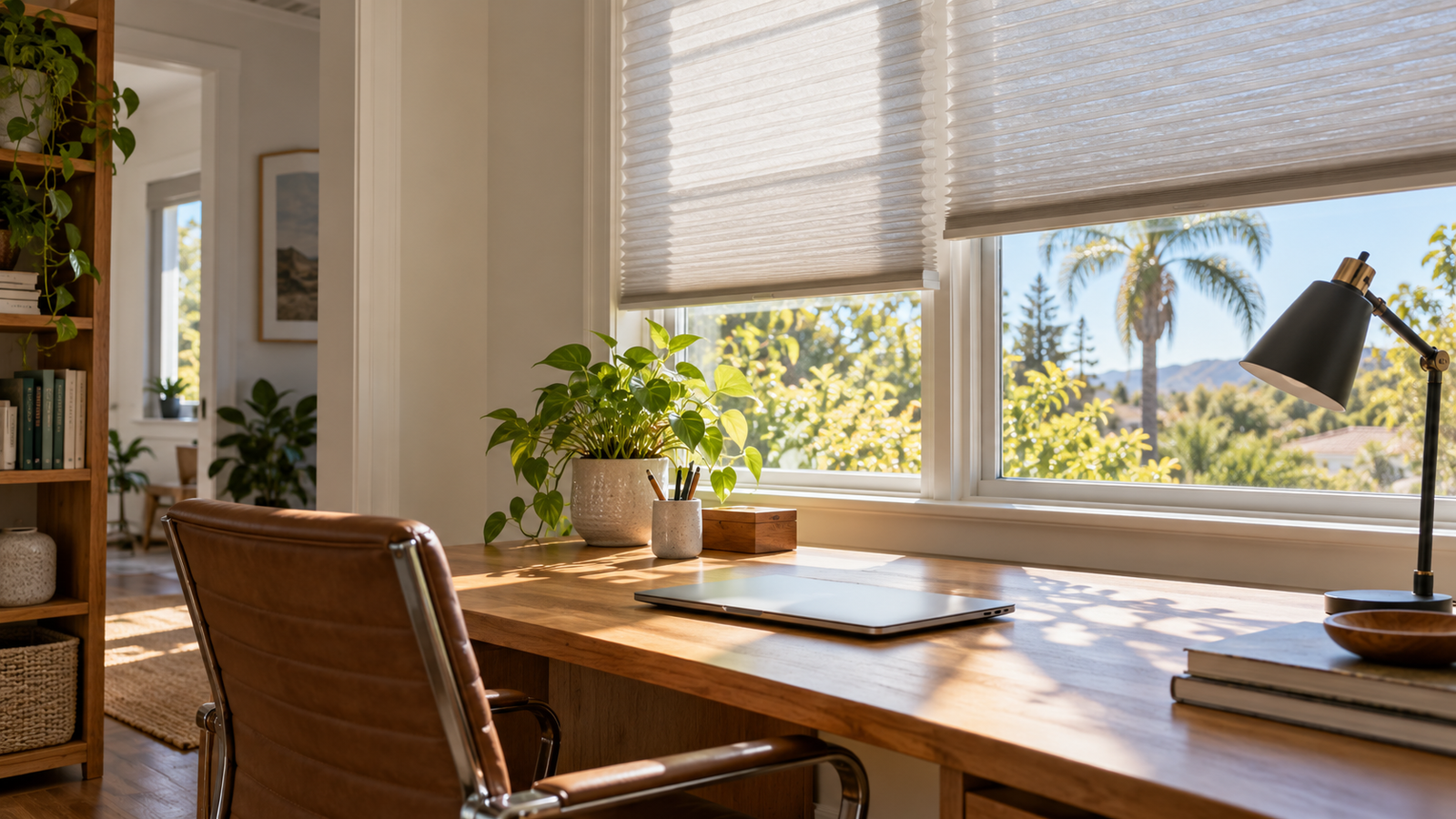
Observe the light before changing the room
Visit the room in the morning, midday, and late afternoon. Note where direct sunlight lands, when you turn on a lamp, and whether a screen or work surface becomes hard to see. Light changes through the year, so a solution that feels right in winter may cause summer heat gain. Place a desk or reading chair to use comfortable daylight without facing harsh glare.
Control glare and heat
Adjustable blinds, shades, or curtains can let you change the balance between daylight, privacy, and glare. Exterior shading can be more effective for unwanted solar heat, but installation may require approval and must suit the building. In a cold season, useful sun can be welcome; in a hot climate, the same exposure may increase cooling demand. Select window treatments for the actual window and routine rather than assuming that maximum sunlight always saves energy.
When considering a larger window project, compare the window’s climate-appropriate energy properties as well as the amount of visible light it admits. An upgrade to glass or a skylight is a building project with cost, moisture, and thermal implications; discuss it with a qualified professional.
Keep useful task lighting
Even a bright room needs electric light at night and on overcast days. An efficient LED task lamp can illuminate a work area without lighting every part of the room. Use switches or controls that fit how the space is occupied. A daylight sensor may help in some applications, but check fixture compatibility and whether it will actually change usage before buying one.
A simple room checklist
- Which hours does the room need light, and where is the task surface?
- When does direct sun cause glare or unwanted heat?
- Can an adjustable shade solve the problem without blocking all daylight?
- Is a dedicated LED task light more useful than lighting the whole room?
- Are any new window products appropriate for the climate and building?
Start with placement and existing shade controls. Compare new shades, blinds, lamps, or sensors only after you know which problem they need to solve. Energy savings cannot be promised without knowing the home’s lighting habits and heating or cooling response.
Further reading
See U.S. Department of Energy guidance on window coverings and ENERGY STAR guidance on windows and skylights.