Rooftop solar can generate electricity at home, but whether it fits your house and budget depends on more than sunlight. Roof condition, shade, utility policy, financing, and the way you use electricity all affect the decision. Treat a sales estimate as one scenario to check, not a guaranteed outcome.
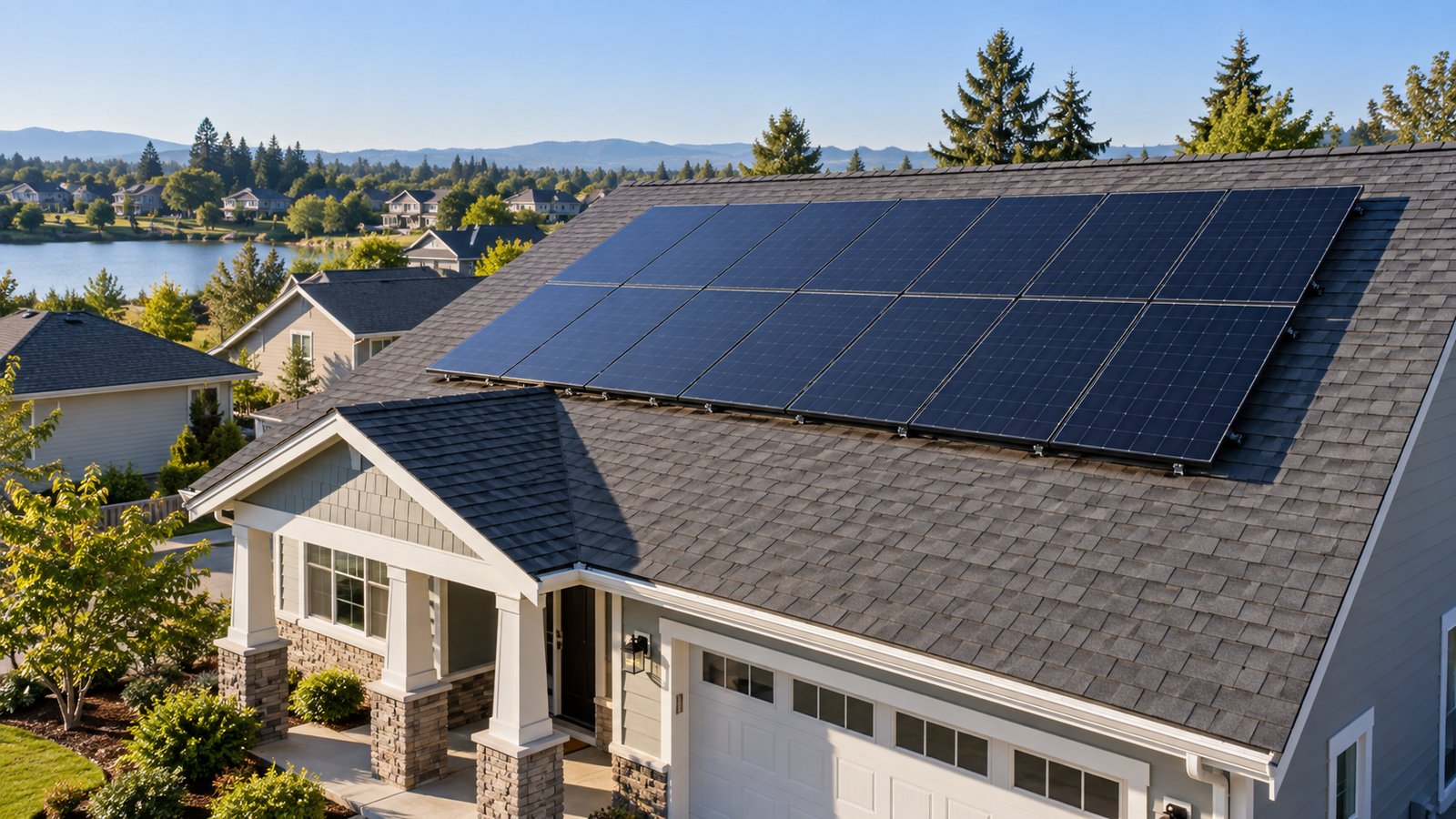
What a suitable rooftop can offer
A properly designed photovoltaic system generates electricity when sunlight and conditions allow. It may offset some grid purchases under your utility's rules. Production varies by location, roof orientation, shade, weather, and equipment. Ask installers for assumptions behind projected generation and compare them with your own usage.
A standard grid-tied system does not automatically power the house during an outage. Backup capability requires a design and equipment specifically intended for it; ask exactly which loads it could serve and under what conditions.
Roof and installation tradeoffs
Before seeking quotes, check roof age, condition, space, shade, and any planned replacement. An installation affects roofing, wiring, permits, interconnection, and service access. Use qualified installers and ask how roof penetrations, repairs, equipment replacement, and warranty responsibility are handled.
Compare ownership and contracts
A cash purchase, loan, lease, and power purchase agreement have different ownership, payment, maintenance, and home-sale implications. Compare total payments, escalators, service terms, insurance, and what happens if you move. Check current federal, state, local, and utility incentives with official sources for your address and tax situation; do not rely on a generic savings or tax-credit claim.
Request itemized written proposals showing system size, equipment, production assumptions, financing terms, and responsibilities. If one proposal is much different, ask why before signing.
When to pause
If the roof needs work, the site is heavily shaded, or the contract is hard to understand, resolve those issues first. A community solar option may be worth investigating where available. Solar is one part of a home plan; reducing avoidable energy use can also change the size of a system you need.
Further reading
U.S. Department of Energy homeowner's guide to solar, U.S. Department of Energy step-by-step solar guide.