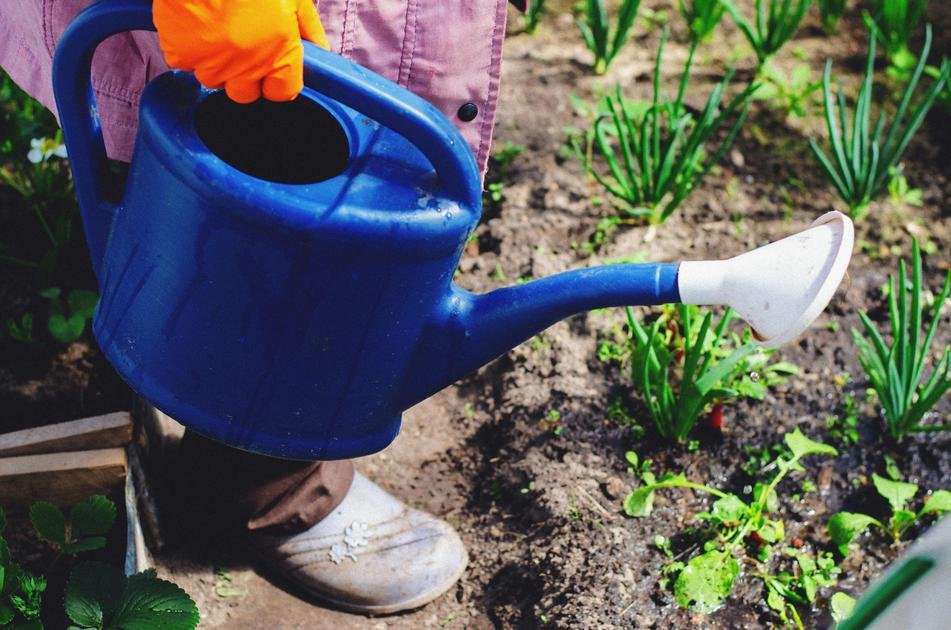
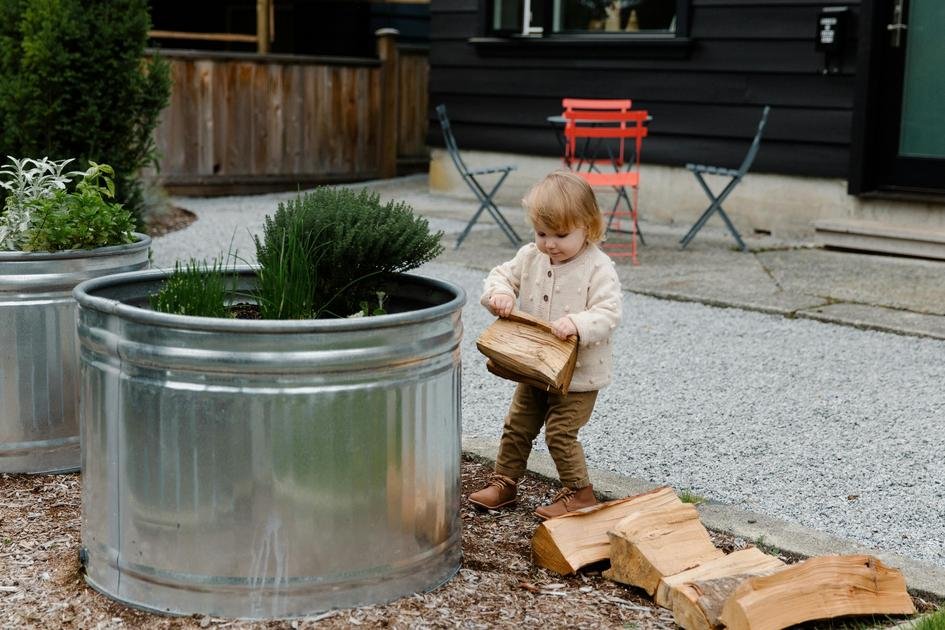
A planter described as sustainable may still be a poor choice if it breaks quickly or does not suit the plant. The better question is how a container will perform in your home over time. Compare size, drainage, weight and durability before choosing a material or style.
Match water behavior to the plant
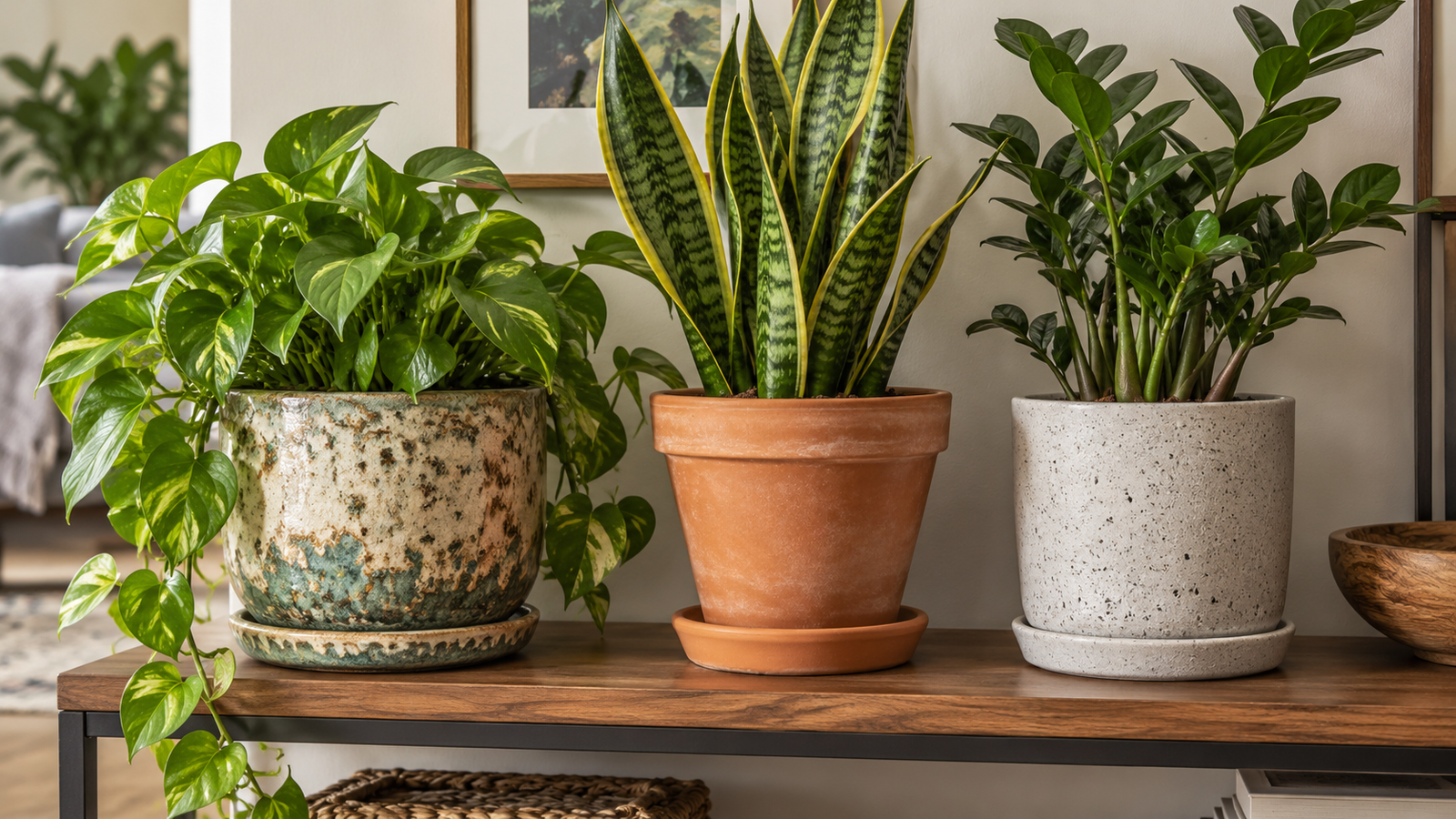
Terracotta is porous and often dries more quickly than glazed ceramic or many plastics. That can suit some watering routines but be inconvenient for others. A pot with drainage lets excess water escape; an outer decorative pot can collect runoff, provided you empty it. Check a plant's root space and water needs before choosing a finish.
Consider weight and location
A large ceramic or concrete-style container can become very heavy after watering. Check a shelf's capacity and the surface beneath it. Outdoor pots must tolerate the local weather, including sun and freezing conditions where relevant. A lightweight product can be useful on a balcony, but it still needs stability in wind and must comply with building rules.
Look beyond a green label
Reusing a sound container may avoid a new purchase. When buying, look for documented recycled content or responsibly sourced material claims rather than relying on the word eco-friendly. Consider repairability, expected life, and whether the item can be reused for a different plant. A durable conventional pot may serve better than a short-lived novelty design.
The production footprint of materials varies by product and manufacturer. Without specific evidence, do not claim one material is always the lowest-impact option. Measure the pot's inside dimensions, check drainage, and inspect its construction before ordering.
A simple buying sequence
Choose the plant and location first. Measure available space, estimate wet weight, select the drainage arrangement, then compare suitable pots. If you already own a fitting pot, clean and reuse it. Only add a new saucer, stand, or insert when it solves an actual problem.
Further reading
University of Minnesota Extension container gardening, University of Minnesota Extension on container watering.