A vertical garden can make use of a wall, railing, or narrow corner without taking over the floor. A successful setup begins with the conditions of that particular space. Light, drainage, water access, and the weight of wet containers matter more than how many plants will fit in a photograph.
Choose the location first
Observe the space at different times of day. Does it receive direct sun, indirect light, or very little natural light? Is it exposed to strong wind or seasonal cold? Choose plants after answering those questions, and check guidance for your local climate if the garden will stay outdoors. Indoors, select plants suited to the available light or investigate suitable supplemental lighting where needed.
Also decide where excess water will go. A container should let water drain, but dripping onto an interior wall, floor, or neighbor's balcony creates another problem. Plan a way to collect runoff and protect the surface beneath the garden.
Pick a structure you can maintain
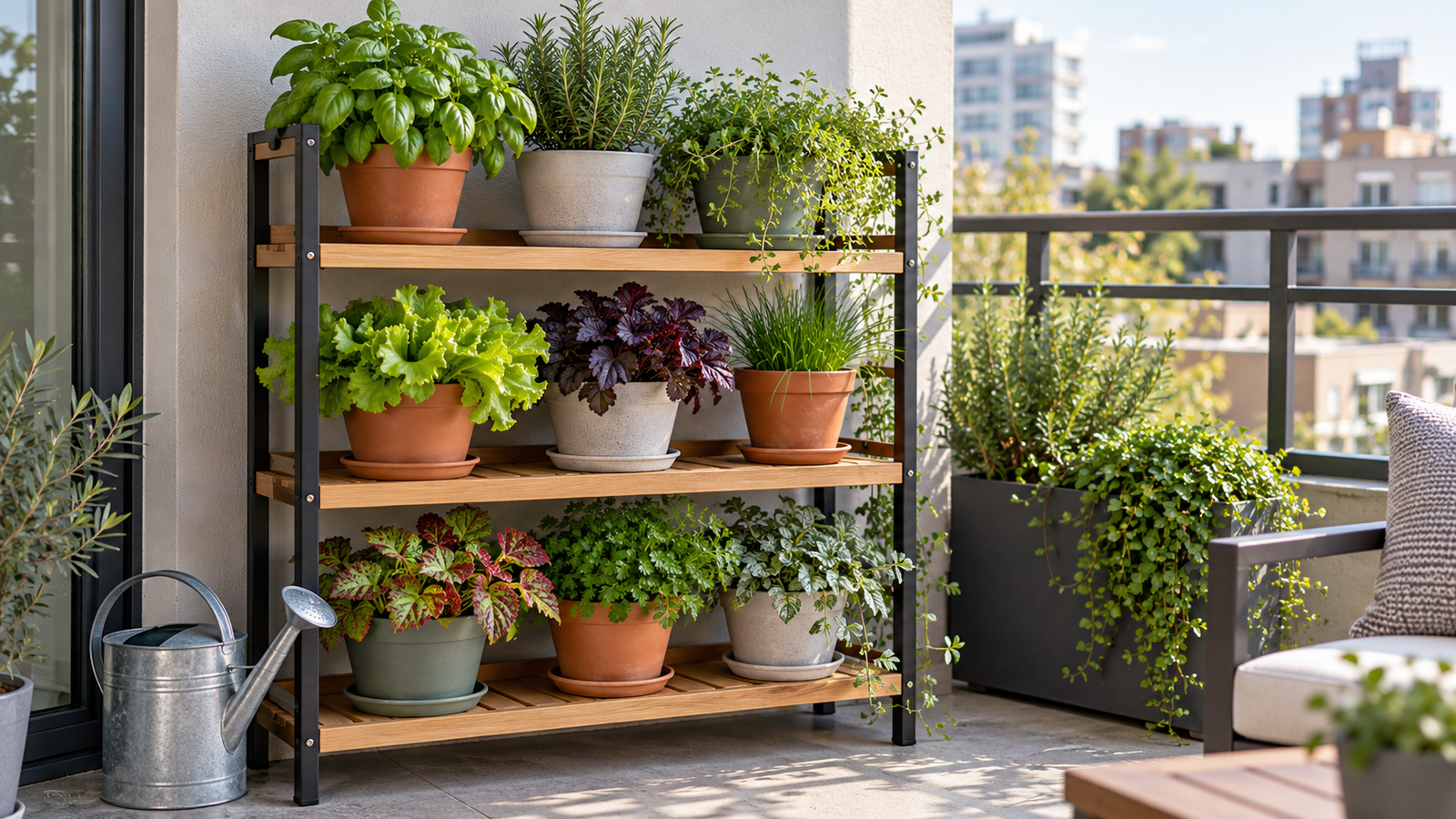
A shelf, freestanding rack, hanging system, or trellis can all use height differently. A freestanding option may be useful where drilling is restricted. Wall-mounted hardware must suit the wall material and support the total load of the structure, containers, wet potting mix, and mature plants. Follow the hardware manufacturer's installation instructions; seek qualified help if the support or wall is uncertain.
Leave enough space to water, prune, and remove each container. A densely packed display that you cannot reach will be harder to keep healthy. Start with a few containers and expand only after you understand their needs.
Match containers and plants
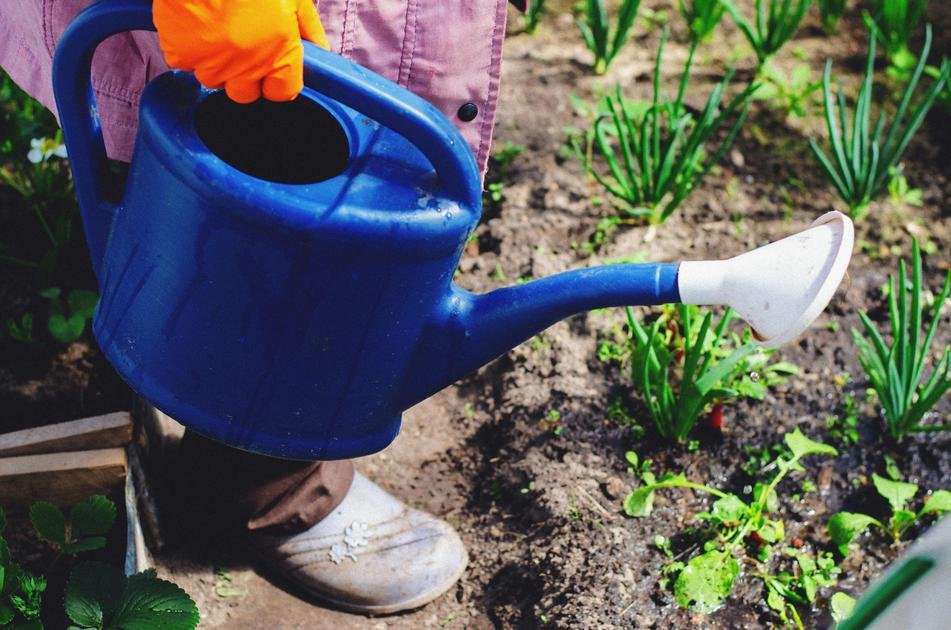
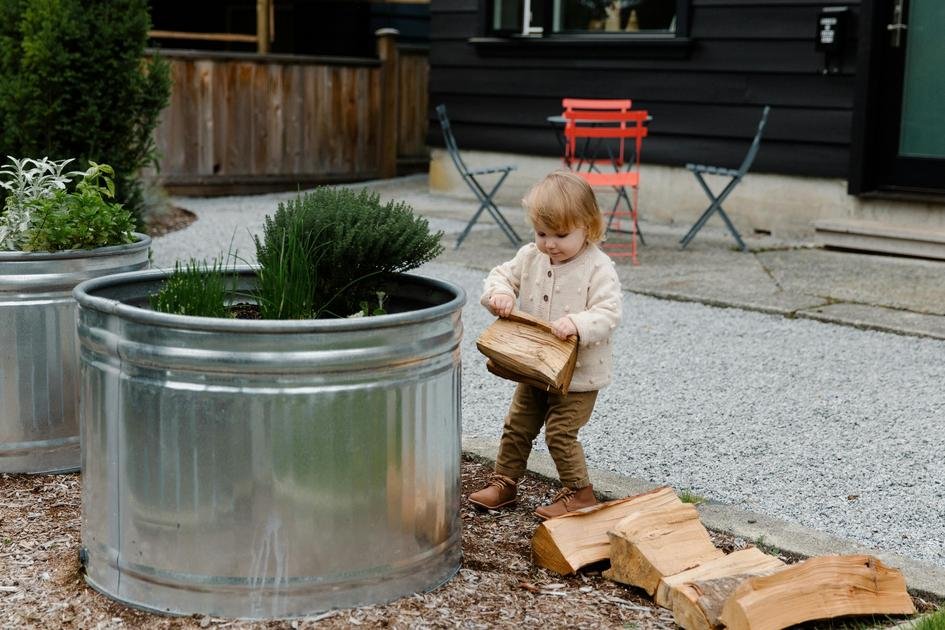
Choose containers with drainage holes and enough room for the selected plants' roots. Use a potting mix appropriate to container growing. Container gardens dry differently from garden beds, so check the mix and the plant rather than following one fixed watering schedule for every pot.
For an edible project, herbs can be a manageable starting point when the light is suitable. For an ornamental project, choose species according to their actual light and water needs. Do not assume that every succulent or every herb will thrive in the same shaded interior wall. Check the plant's label or a local university extension guide before buying.
Assemble one manageable section
- Measure the available width and height, then choose a support designed for that location.
- Confirm mounting instructions and the load the support can carry when everything is wet.
- Position a small number of containers so each remains reachable and can drain safely.
- Add appropriate potting mix and plants that match the light conditions.
- Water gently, observe runoff, and adjust the setup before filling the remaining space.
If you add drip irrigation, check the system's fit with your containers and inspect for leaks. A timer does not know whether a plant already has enough water. It helps with a routine only when you still monitor the growing conditions.
Maintain the garden as conditions change
Check moisture and plant growth regularly. Containers exposed to heat and wind may need different attention from sheltered indoor containers. Look for blocked drainage, signs of pests, and plants crowding their neighbors. Move or replace a plant that does not suit the location instead of adding more equipment automatically.
Indoor grow lights can help when available daylight is inadequate, but their suitability depends on the plant and setup. Check the light manufacturer's guidance and a reliable horticultural source rather than assuming any decorative LED will work as a grow light.
Buy for the setup you actually planned
A useful shopping list begins with a suitable rack or support, containers with drainage, and an appropriate potting mix. Add a watering can or drip kit only if it fits the space and maintenance routine. Add a grow light only after assessing indoor light. This keeps the garden practical and avoids buying a large kit that cannot be mounted or cared for in the chosen space.
Further reading
See University of Minnesota Extension on container gardening, growing herbs, and lighting for indoor plants.