A furniture trend is useful only if it helps a real home work better. For a more thoughtful purchase, compare how a piece will fit, how long it can serve, and whether it can be repaired or adapted. A fashionable green label cannot answer those questions.
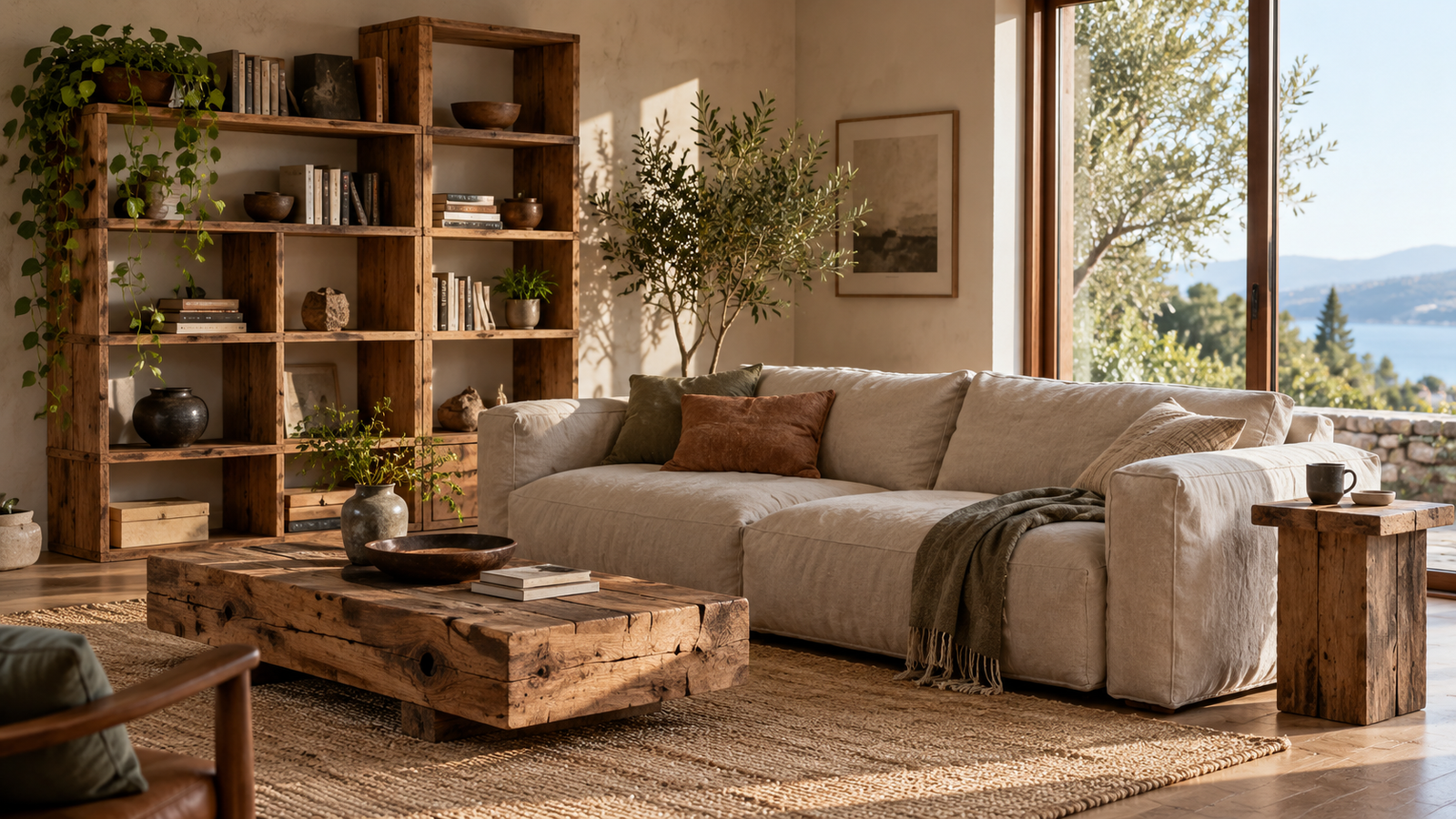
Design for a changing room
Measure circulation paths, doorways and the space the furniture will occupy. A modular shelf or table can be useful if components can be moved and replaced, but check joint strength and manufacturer support. A simple form can be easier to maintain than a complex piece with parts that cannot be repaired.
Value serviceability
Ask whether covers, cushions, hinges, glides or other wear parts can be replaced. Check cleaning instructions and the warranty. A used piece may need only a small repair. Compare the cost and availability of that repair before discarding it for a new item.
Tall shelving and storage units need appropriate stability and anchoring. Follow the manufacturer's instructions and CPSC advice, especially in homes with children.
Verify material information
Wood, engineered wood, metal, and upholstery all have different maintenance requirements. Ask for specific material, finish and recycled-content information. If a wood claim refers to certified sourcing, verify the product's actual certification and scope rather than assuming every product from a brand qualifies. For composite wood, check applicable emissions information and follow manufacturer guidance for indoor use.
Choose the right next purchase
If the existing furniture works, cleaning, repair or rearrangement may be enough. If a replacement is necessary, compare dimensions, serviceability, construction and verified claims across suitable products. Avoid a ranking without actual product inspection or current specifications.
Further reading
U.S. FTC guide to green claims, U.S. EPA on composite wood products, U.S. CPSC on furniture anchoring.